Updates tailored to you.
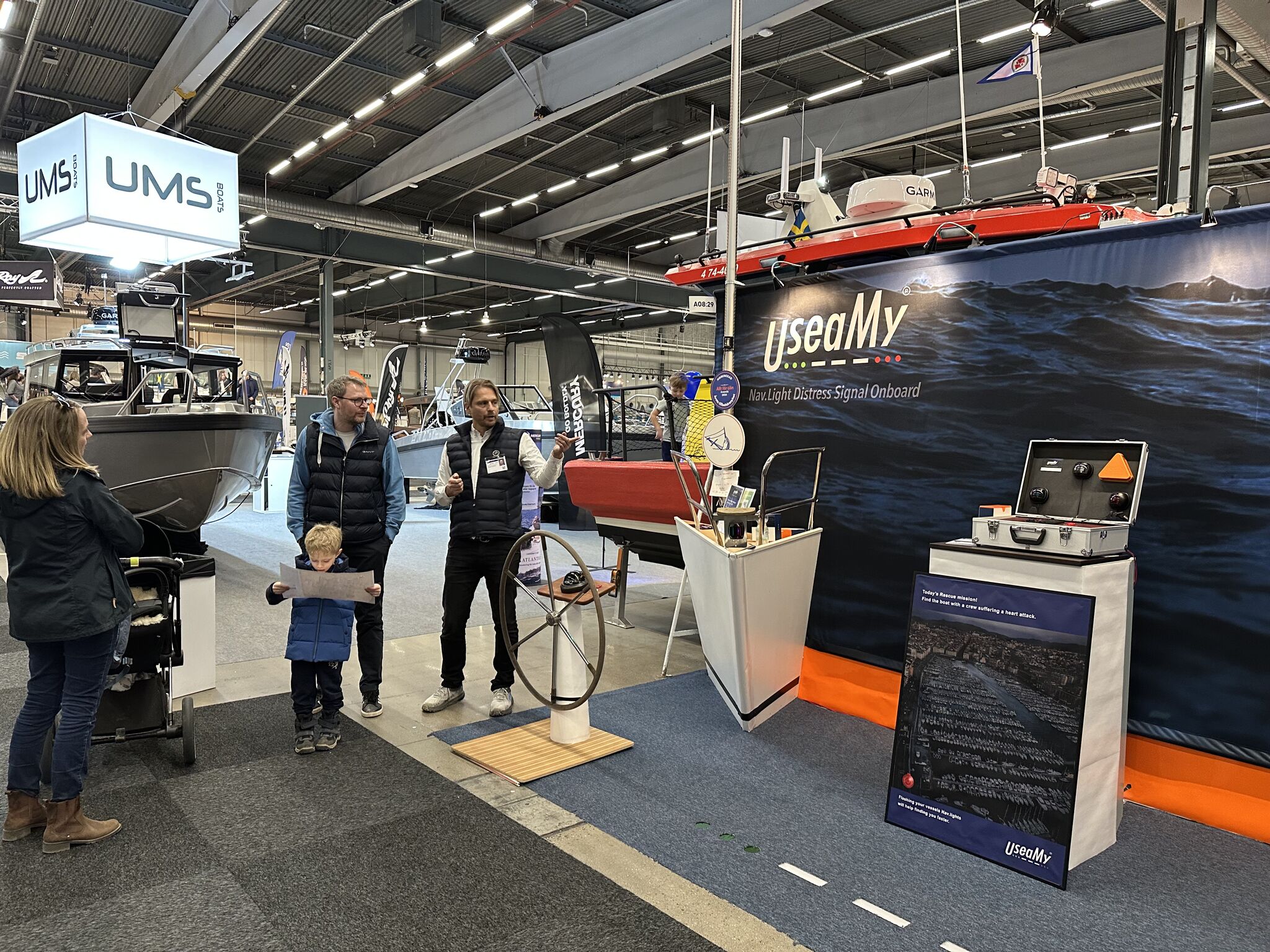

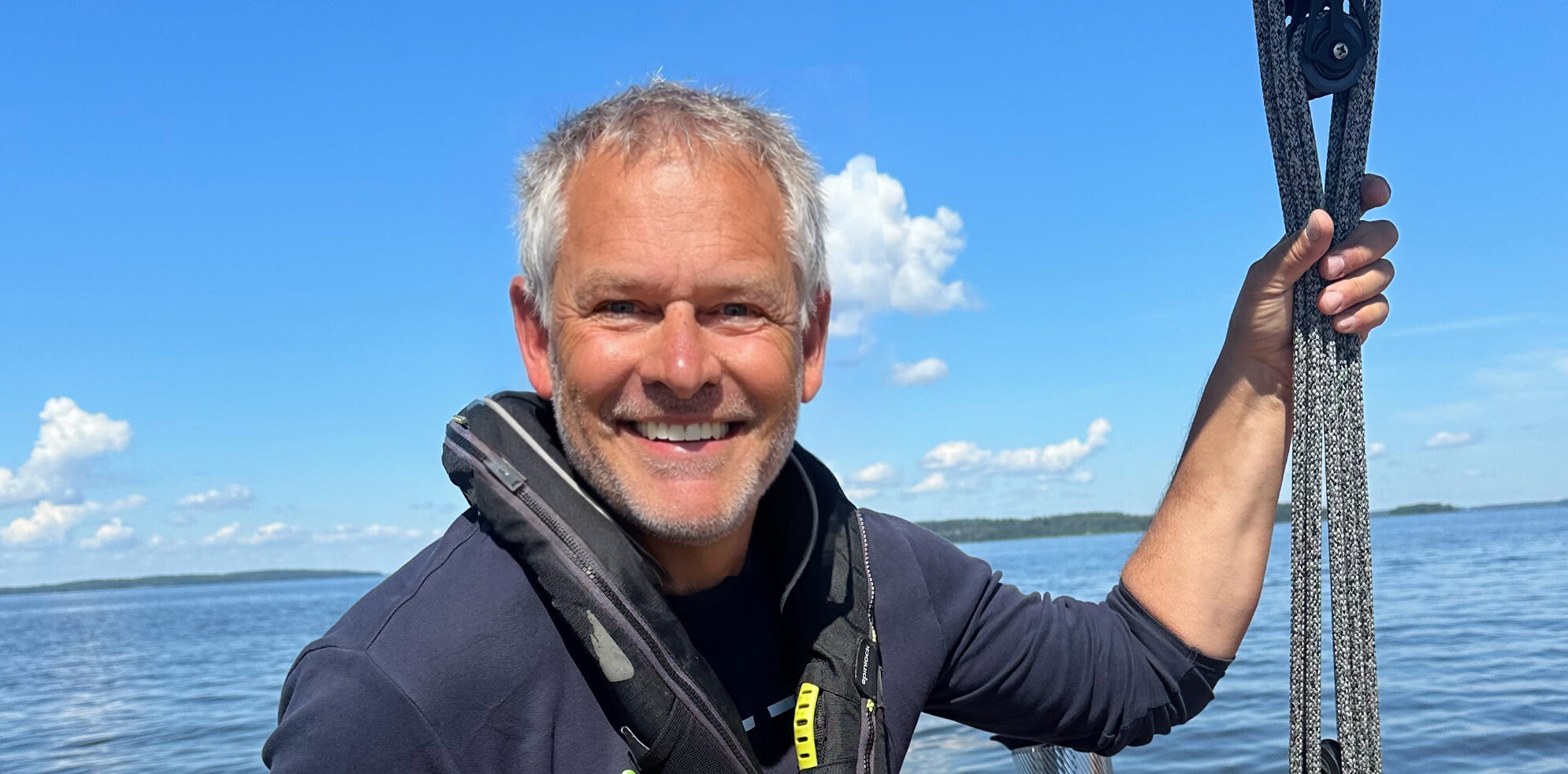
This week’s Startup Spotlight features Peter Westh, founder of UseaMy-SOS, a patented distress signal system that enhances boaters chances of rapid assistance at sea by instantly activating all navigation lights to flash the SOS signal with the press of a button.
What’s your story? How did you come up with the idea for your business?
It all started one evening when I was helping lift a boat out of the water. The local Search and Rescue team had towed it into our harbor after it had been dangerously close to sinking. The motorboat was more than half full of water by the time they got to it, and I remember the people on board talking about how frustrating it had been. They’d seen the rescue boat approaching but then watched as it stopped at another boat first before finally coming to their aid.
That experience stuck with me. Why had it been so hard for the rescue team to identify the boat in urgent need? A few days later, it clicked. If the boat’s navigation lights could flash SOS, it wouldn’t just help rescue teams, but also draw attention to nearby boats who might be able to assist immediately.
Why does the industry need the solution you’re providing?
The ability to signal distress using navigation lights has the potential to become a new global standard in maritime safety. By making it possible to flash SOS with all the nav. lights onboard, visibility is ensured in all directions and for an infinite time, dramatically improving the chances of being located quickly in emergencies.
This functionality can be built into a variety of onboard systems, such as in Circuit breaker panels, chartplotters, or dedicated aftermarket safety devices. It’s a simple but versatile solution that complements existing distress systems like VHF radio, EPIRBs and traditional flares/parachute rockets, adding an extra layer of safety that benefits both professional rescuers and nearby vessels.
What have you enjoyed most about starting your own company?
What I’ve enjoyed most is the opportunity to take a simple but powerful idea and turn it into something that can truly make a difference. Knowing that my work has the potential to improve safety at sea has been incredibly motivating. I’ve also loved the creative process of building a company—developing the concept, designing the solution, and finding ways to bring it to life.
Another thing I’ve found rewarding is connecting with others in the maritime industry professionals, enthusiasts, and rescuers—who share the same passion for safety and innovation. Seeing their excitement about the idea has been a huge boost.
What challenges did you have to overcome at the beginning?
One of the initial challenges was transforming the concept into a practical solution. A key priority was ensuring the SOS signaling feature wouldn’t interfere with the navigation lights and that activating it would be effortless. Securing a patent for the functionality was a long, complex process, but it’s been worth the effort. We now have patents granted in Sweden and the USA, with hopes for Europe soon.
Additionally, shifting the maritime industry’s focus from solely broadcasting positions to ensuring distress signals are visible to nearby vessels was a challenge. It took time to explain how our solution complements existing systems by making distress signals visible to everyone nearby.
Finally, the typical challenges of starting a business such as balancing time, resources, and a steep learning curve, were also present. But overcoming them has made the journey more rewarding.
What’s next for your business? Where do you see yourself in 3-5 years?
We are setting an ambitious course: within the next five years, our goal is to have the SOS signalling feature, integrated with a boat’s Navigation Lights, installed on over 2 million recreational boats and yachts worldwide.
To achieve this, we’re working to establish the solution as a new global standard for maritime safety. This involves engaging with international organisations such as IMO (International Maritime Organisation), ICOMIA (International Council of Marine Industry Associations), and IMRF (International Maritime Rescue Federation), among others. Through collaboration with these key players, we aim to make the distress signal solution a universally accepted part of onboard safety equipment.
At the same time, we’re focusing on partnerships with manufacturers and suppliers to ensure the technology is seamlessly integrated into new and existing boats. In the long term, our vision is to see this solution adopted across both recreational and small commercial vessels, creating a safer maritime environment for everyone.
Any advice for entrepreneurs just starting out in this space?
One of the first things to consider is whether your solution is improving an existing problem or introducing something entirely new. If you’re improving an existing solution, your focus should be on clearly demonstrating why your approach is better and whether it’s more efficient, cost-effective, or easier to use. Be prepared to face competition and ensure your solution has a distinct edge that makes it stand out.
On the other hand, if you’re introducing a completely new concept, your biggest challenge will often be education. People won’t just need to understand your solution, they’ll need to be convinced that the problem it solves even exists. In both cases, having a strong network is key. Seek out mentors and industry experts who can guide you through the nuances of the maritime space, and don’t be afraid to collaborate with others to build credibility and momentum.
Finally, remember that innovation in this industry often moves slower than in other sectors, especially when regulatory approvals are involved. Patience and persistence are essential, but the reward of seeing your idea make a real impact is absolutely worth it.
And a fun one—what’s a quote or some words that you live by?
I know I’m on the right track when almost everyone’s reaction is, ‘Why hasn’t this feature always existed?!’
For more community articles, click here.