Updates tailored to you.


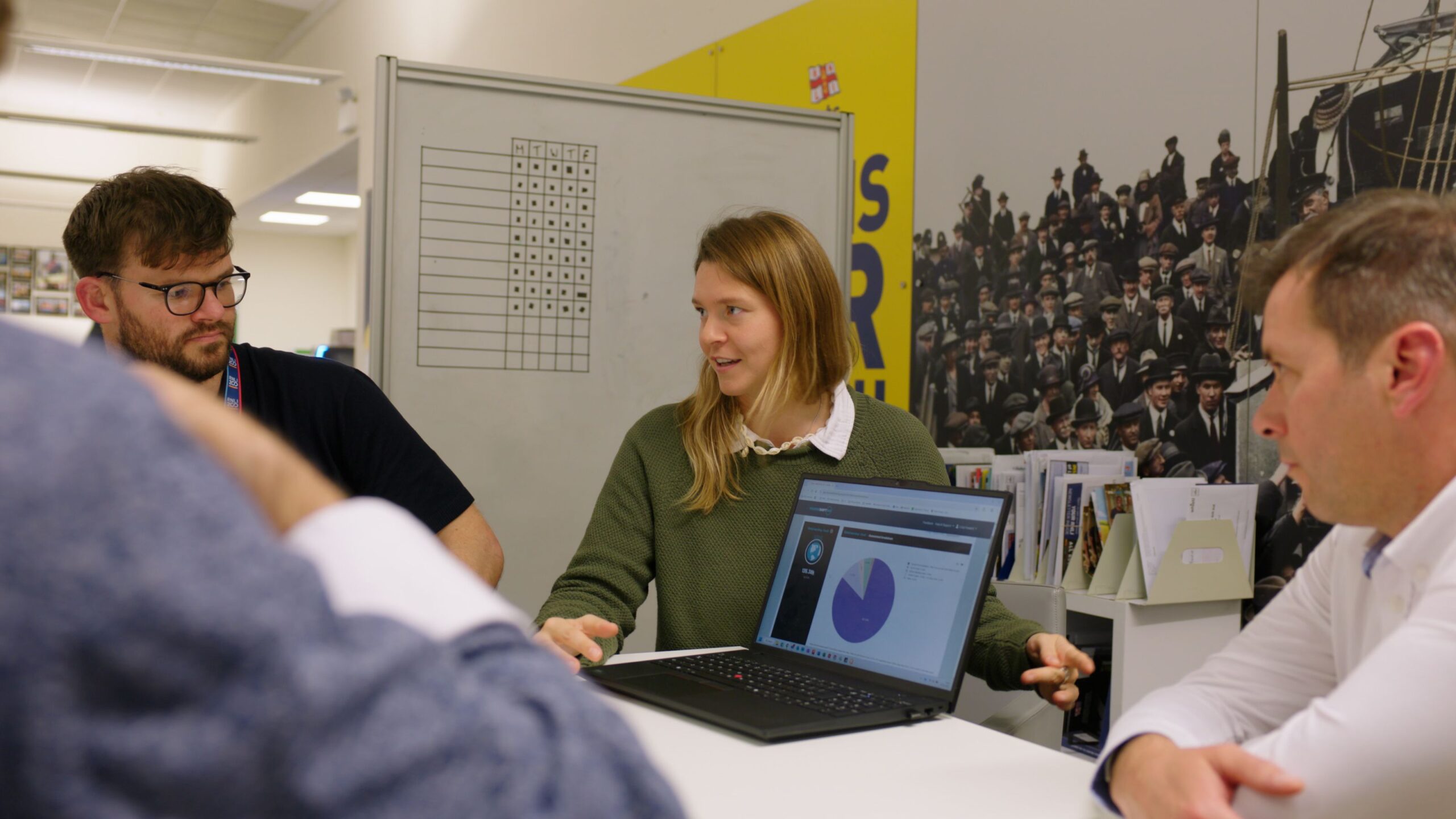
A recent Yachting Ventures investor session brought together Haymon Sinapius from Innoport, Luize Silina from Future Planet Capital and angel investor and advisor Francesco Lovo, offering three perspectives on fundraising: strategic corporate investment, institutional venture capital and angel investing.
The discussion explored what helps a deal progress, where founders lose momentum and how yachting startups can strengthen their chances of closing a round before Christmas.
Through our community, investor events and ongoing founder support, Yachting Ventures helps marine startups build these foundations and connect with people who can support their growth.
Build relationships before you need the money
Fundraising can become a full-time job. Alongside running the business, founders need to research investors, arrange meetings, respond to questions and manage follow-ups.
Starting these conversations only when cash is running low puts pressure on the process. Investor relationships can take months or even years to develop, particularly where a company is promising but does not yet meet an investor’s requirements.
An initial conversation may lead to a pilot project, an introduction or an agreement to reconnect after a specific milestone. These are opportunities to build trust and demonstrate progress.
For founders targeting a close before Christmas, it is worth reviewing existing relationships alongside approaching new contacts.
Investors who already understand the business have a foundation on which to assess its latest progress.
Creating opportunities for those early connections is an important part of Yachting Ventures’ work. Pitch events, founder and investor networking, and industry gatherings give marine entrepreneurs opportunities to develop relationships ahead of a formal raise.
Prioritise relevant introductions
Investors receive substantial volumes of inbound enquiries, making it difficult for an individual company to stand out.
Introductions through trusted contacts can help an opportunity receive closer attention by providing context and an initial indication of relevance.
Generic outreach is much less effective, and a message that shows little understanding of an investor’s interests gives them limited reason to engage.
Before making contact, founders should understand the investor’s sector focus, preferred stage and investment approach. The outreach should make the fit clear and explain why the conversation is relevant now.
Being part of a specialist network such as Yachting Ventures can help founders identify suitable connections. Fellow founders are also valuable sources of insight, particularly those who have raised capital and can share what they learned about different investors and processes.
Be ready for due diligence
Once an investor expresses interest, preparation becomes critical. Missing documents, inconsistent figures and slow responses can interrupt progress at precisely the point when a founder needs to maintain momentum.
An organised data room should be ready from the start of the raise, with the financial, legal and company information needed to support investor scrutiny.
The investment case also needs to hold together beyond the pitch deck. Founders should be able to explain the problem they solve, demonstrate credible unit economics and show how the funding will support specific milestones.
The amount being raised should connect to a clear plan: what the capital will fund, how much runway it provides and what the business expects to achieve before its next financing decision.
Understand the steps between interest and investment
A positive meeting does not mean a funding decision is imminent. Institutional investors may need to complete several stages, including internal discussions, senior team meetings, investment committee approval and due diligence.
Founders should establish what those stages involve and who participates in the decision. Understanding the process makes it easier to plan, provide the right information and assess whether a year-end close is realistic.
Every person involved deserves attention. Junior investment team members often carry out detailed analysis and present opportunities internally, making them important potential advocates for the business.
Useful questions include what information is needed next, when the next decision will take place and what could prevent the deal from progressing. A clear next step is more useful than an open-ended agreement to stay in touch.
Sessions such as those hosted by Yachting Ventures give founders a better understanding of these internal processes, helping them approach fundraising with more realistic expectations.
Choose the right investors
A deadline should not push founders into accepting an unsuitable investor.
Investment creates an ongoing relationship, so founders need to consider an investor’s relevant experience, expectations and understanding of the business. A poorly matched investor can consume management time and create difficulties long after the round has closed.
Angels and institutional funds may approach opportunities differently. Some angels want to test the product or work closely with a founder before investing, while funds typically follow more structured assessment and approval processes.
Founders should take the opportunity to ask questions themselves: how does the investor support portfolio companies, how involved do they expect to be and how do they respond when things become difficult?
The same care applies to advisors. A small group of relevant, active people can offer more practical value than a long list of recognisable names with little involvement.
Maintain momentum with meaningful updates
Fundraising relationships need attention. Disappearing for months makes it difficult for investors to assess progress and can raise questions about a founder’s commitment or ability to execute.
Clear, concise updates help keep conversations active. These should focus on meaningful developments, explain what has changed and make any requests specific.
Transparency matters too. Founders should communicate challenges honestly and distinguish between confirmed progress and future expectations.
For those aiming to close before Christmas, each active conversation should have a clear next step. Founders need to know which questions remain unanswered, what information is outstanding and when decisions are expected.
Yachting Ventures’ community, pitch opportunities and media channels provide additional ways for founders to share milestones and maintain visibility while those conversations develop.
Make the deadline part of a credible plan
A Christmas target can bring focus to a raise, but the deadline needs to sit within a credible funding strategy.
Founders should be clear about the amount required, the milestones it will support and how the round will be structured. Where a first and second close are being considered, each should have a defined purpose. Rolling closes may suit some businesses, particularly where additional capital can directly support growth, but they will not fit every company or investor.
The strongest position is one in which the founder can explain both the opportunity and the practical route to completing the investment before everyone checks out for the festive season.
For access to future investor sessions, fundraising opportunities and ongoing founder support, get in touch with Yachting Ventures to find out more about joining the community.