Updates tailored to you.


Starting a company often begins with an idea that feels obvious, exciting, and full of possibility. What follows, however, is rarely straightforward.
Building a startup means navigating uncertainty every day: making decisions without all the information, learning quickly, and continuing forward even when progress feels slow.
For founders, the journey is as much personal as it is professional. It tests resilience, intuition, and the ability to keep going when the outcome isn’t guaranteed.
To mark International Women’s Day 2026, we asked the female founders from the Yachting Ventures startup community a simple question: What advice would you give your younger self before starting this journey?
Their answers offer an honest look at what it really means to build a company, from trusting your instincts and thinking bigger, to protecting your energy and embracing the inevitable chaos along the way.
For many founders, the startup journey rarely unfolds in a straight line.
Roxy Haghayegh, co-founder of E-Force Marine reflected on the unpredictable rhythm of building a company: “Things will move fast, then slow, then completely sideways — and it’s OKAY. Stay adaptable, take the lesson, and learn to enjoy the chaos a little.”
Startups rarely move in neat, predictable stages. Learning to adapt, and even appreciate the unexpected twists, often becomes part of the process.
Several founders highlighted the importance of community and collaboration when building something new.
Henrietta Roslund, co-founder of MOXSEA explained: “Trust your gut and build with others; collaboration, sharing, and community make you stronger. And on the hard days, return to the small steps that build momentum. If you fail, congratulations — you’re brave enough to try.”

Lucy Buckmaster, co-founder of Nautica Collective, shared a similar reflection on learning quickly and staying lean:
“Trust your gut earlier. At the start we overcompensated, bringing in advisors, agencies and designers before properly pressure-testing the core product.
In hindsight, I’d go lean: build the MVP, launch fast, learn from real data, and grow through collaboration and community. Embrace failure as part of the journey, take the lessons and use them to fuel the next step.”
For Samantha Broughton, founder of dorah.io, the biggest lesson was accepting that uncertainty is simply part of building something new:
“Every stage feels uncertain, because you’re discovering the path at the same time as creating it. Progress comes from consistency. Even when it feels uncomfortable, stay honest with yourself. When things get hard, breathe and focus more deeply. Remember to zoom out often, regain perspective, hit refresh, and keep moving forward.”
Entrepreneurship often requires acknowledging the uncertainty while continuing to make steady progress.
Building a company is intense, but the founders we spoke to also stressed the importance of finding balance.
Valentina Venturi, co-founder of Effetto Venturi SA, reflected on a lesson she learned after years of relentless focus:
“I would tell myself to take proper breaks and holidays from time to time, as I started doing only recently after four years of building the company. Stepping away from work isn’t a luxury — it’s necessary to return with clarity, energy, and better judgment.”
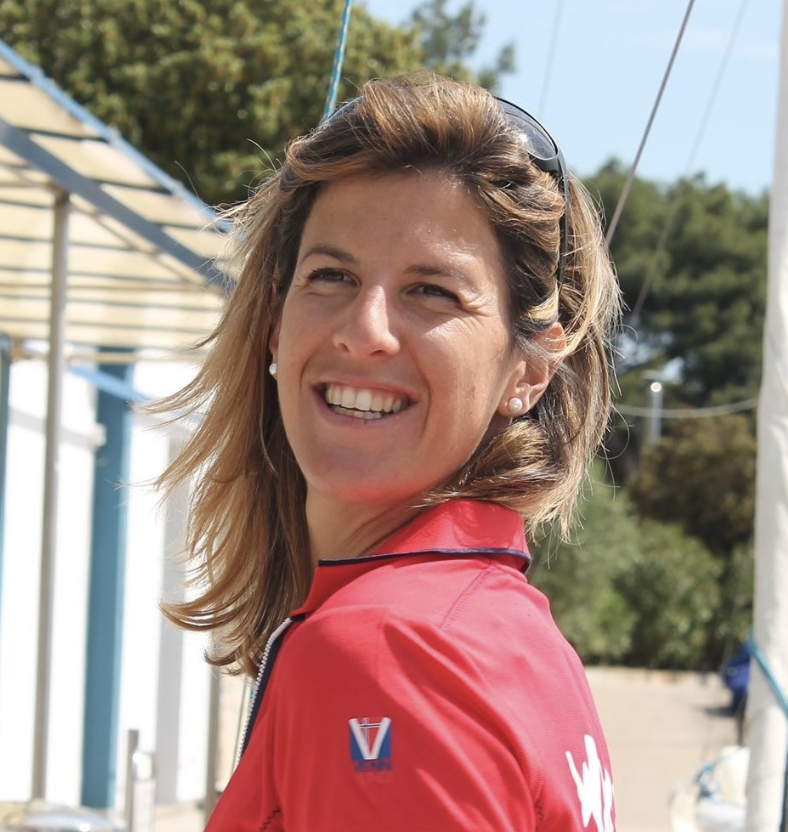
Candice Christiansen, co-founder of Charter Itinerary, also highlighted the realities of balancing entrepreneurship with family life:
“As a mom of two kids and co-founder of a tech startup I would advise myself that whilst there is a wonderful flexibility of working any hour of the day and not being bound to office hours, it can encroach on personal time with family.
There is never a ‘slow season’, you will always be busy, so set some boundaries to avoid further stress and surround yourself with a solid support network at home before embarking on the entrepreneurial journey.”
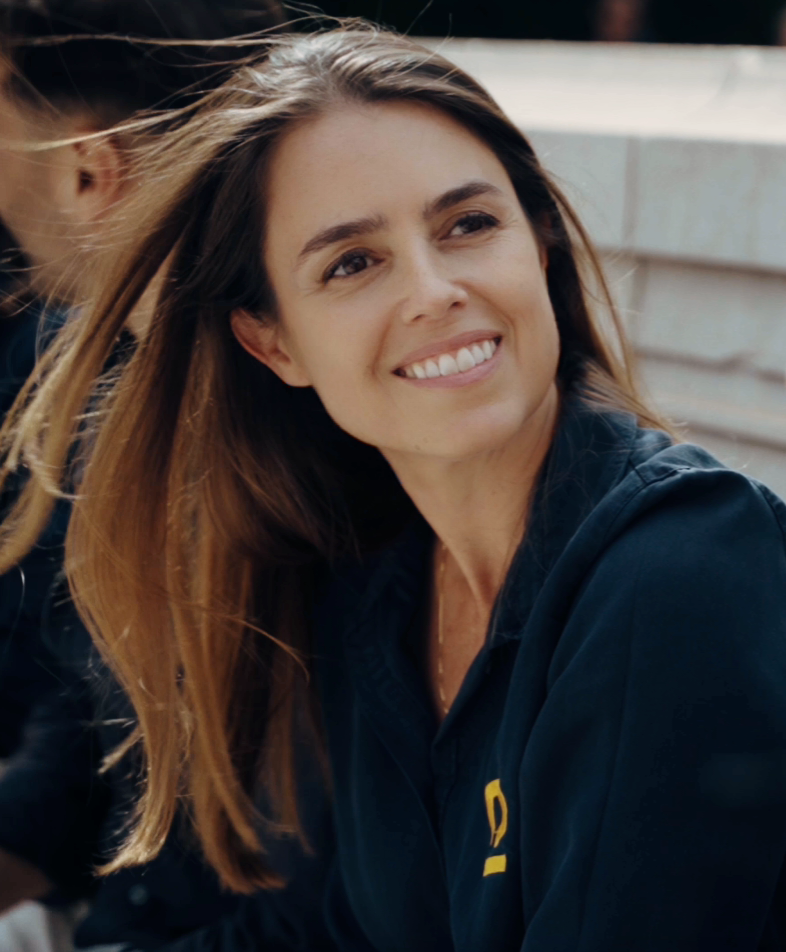
Breaking into a traditional industry often requires conviction, particularly when challenging established ways of doing things.
Estelle Viriot, founder of SEANERGY YACHTING, shared:
“Your conviction is your greatest asset, guard it wisely. Challenging legacy structures in an industry still shaped by old paradigms requires resilience beyond execution.
As a former crew member stepping into leadership, hold your vision steady, even when others cannot yet see it. You may be copied, misunderstood, or disappointed along the way, but stay focused and protect your energy.”
Holding onto that conviction, even when others don’t immediately see the same vision, is often what carries founders through the more difficult phases of building a company.
For Liz Jackson, founder of LJ Logbooks, confidence and ambition were lessons learned over time.
“I would tell myself to think bigger from day one and not underestimate the value of what we were building. Back your instinct, move faster, and don’t wait for perfect — progress and belief compound far more than caution.
Building a digital brand can feel incredibly solitary at times, especially when most of the battles are behind a screen and invisible to others.
As a female founder, I would also remind myself that resilience and quiet confidence are strengths — you don’t have to be the loudest in the room to lead it.”
Many founders only realise the true value of what they’re building once they’ve already come a long way.
Finally, Katy Jeffcoate, founer of IntusHQ, offered some practical advice grounded in the realities of building a tech company.
“Be wary of people offering to help, it rarely comes free. Seek out mentors who’ve actually built businesses and are willing to share their experience genuinely. If you’re using an agency for your tech, find your own references, not the ones they provide.
This is a huge cost, and you should expect both your budget and timeline to double. Do your due diligence on everyone.
The chicken-and-egg problem is real and never really goes away: you need customers to prove the concept, but they want more product before they commit. The founder support industry is big and not all of it is authentic.
Trust your gut, and know that mistakes aren’t just possible, they’re guaranteed.”

If there’s one thing these reflections show, it’s that building a company rarely follows a predictable path.
Every founder faces moments of doubt and unexpected setbacks. But one thing many successful founders share is the willingness to learn from others who are navigating the same journey.
If you’re currently building in this space, you don’t have to do it alone. You can apply to join the Yachting Ventures community here.