Updates tailored to you.
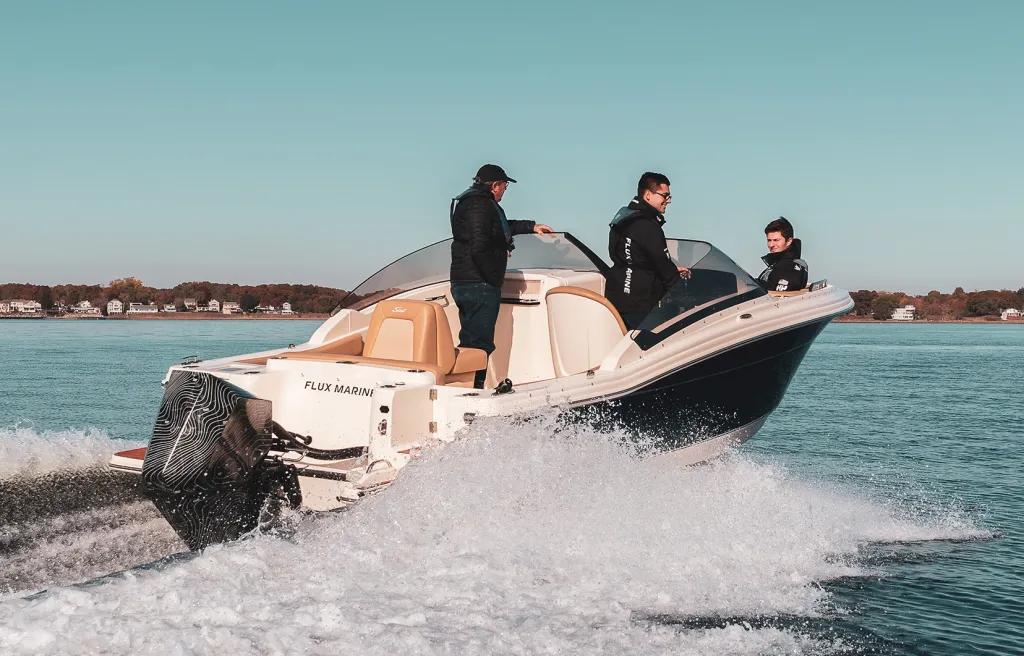

Fundraising for hardware startups is never straightforward and it’s even harder when you’re a first-time founder operating in a capital-intensive industry like marine technology.
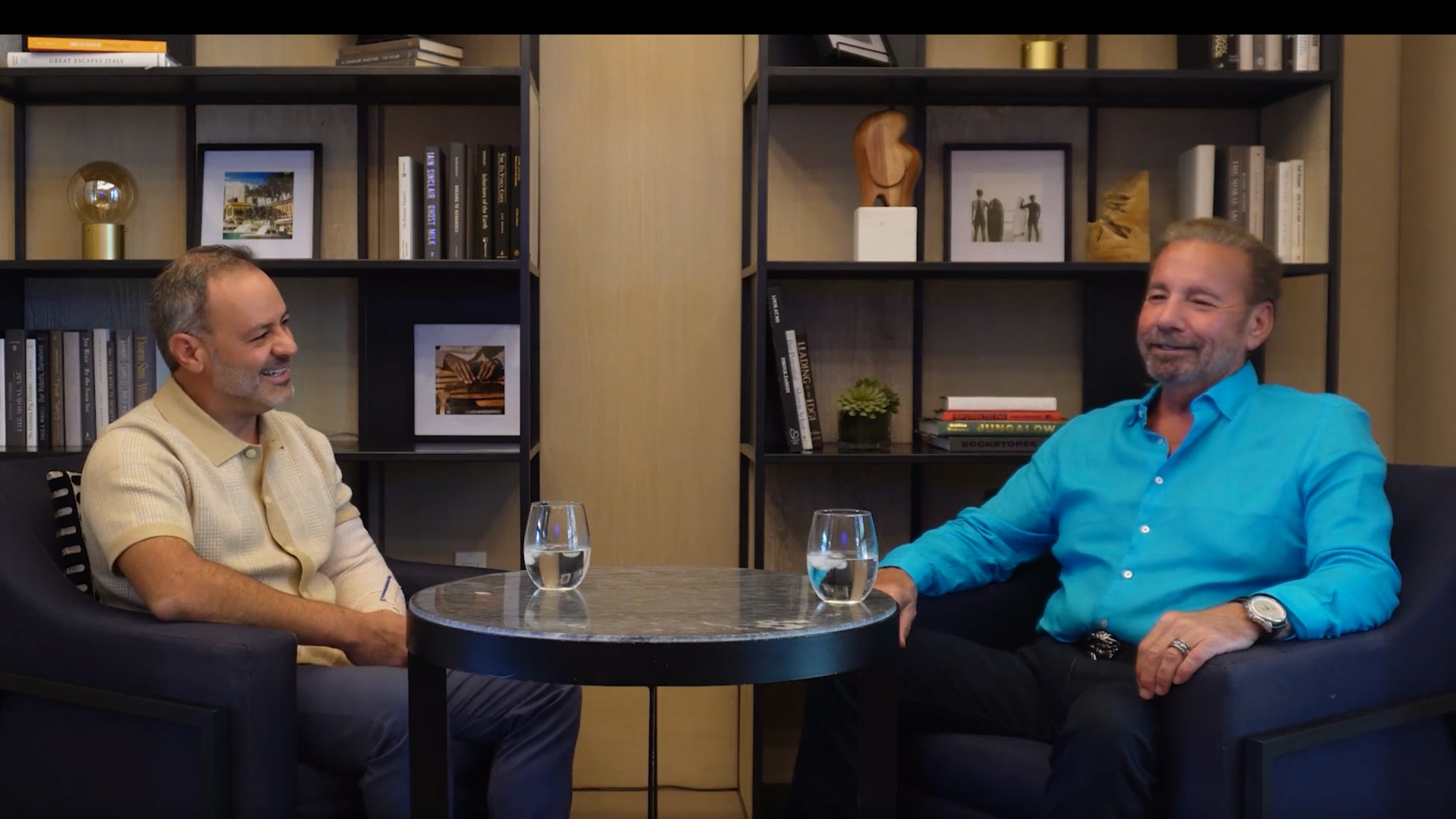
In a recent Yachting Ventures fireside chat, the founder of Flux Marine – Ben Sorkin – shared a refreshingly honest breakdown of how they navigated non-dilutive funding, angel investment, and multiple venture rounds without losing focus on execution.
What stood out wasn’t just the size of the rounds raised, but how deliberately each stage was used to de-risk the next. Below are the key lessons founders can take from Flux Marine’s journey, from early prototypes to insider rounds.
Hardware startups face a structural problem: you often need significant capital before you have revenue. For young, first-time founders, that creates a credibility gap – especially in sectors investors perceive as “slow” or operationally complex.
Flux Marine tackled this head-on by focusing first on non-dilutive funding. Over a two-to-three-year period, the team raised roughly $500k through grants and competitions, including support linked to the U.S. Department of Energy and Princeton-affiliated programmes.
This funding wasn’t about scale. It was about proof.
By using grants to build a working prototype and test it with real customers, Flux Marine was able to show early traction without giving up equity too soon. Just as importantly, it gave them time to develop what they described as a massive diligence package: detailed thinking on service models, manufacturing, market expansion, and operations.
By the time angels entered the picture, Flux Marine no longer looked like a promising idea – it looked like a real company.
Flux Marine’s seed round totalled just over $1 million and was intentionally structured around people who already believed in the founders. The round included angel groups such as Princeton Alumni Angels, alongside friends, family, and early supporters who were deeply passionate about boating.
One important signal here: friends-and-family capital wasn’t seen as a weakness. Instead, it demonstrated conviction. When founders are willing to put their own network and reputation on the line, it sends a strong message about commitment and risk tolerance.
At this stage, there were no strategic investors and that was deliberate. The goal of the seed round wasn’t market dominance; it was building a solid foundation and getting the company ready for institutional capital.
Flux Marine’s Series A closed in March 2022 at $15.5 million, led by Ocean Zero, a VC firm deeply focused on blue-water and maritime technology. That lead investor mattered enormously.
The introduction came through the CDL accelerator programme, and Ocean Zero moved fast. Their team flew out almost immediately to see the prototype operating in the water – validating the technology in real conditions rather than through decks alone.
Once Ocean Zero committed, the rest followed. Generalist funds such as BoostVC and Winklevoss Capital joined the round, along with existing seed investors.
The lesson here is clear: sector-specialist lead investors de-risk the opportunity for everyone else. Generalist funds may be hesitant about marine or hardware, but they trust the diligence of someone who lives and breathes the space.
This round marked Flux Marine’s transition from prototype to production, with units finally reaching customers.
Flux Marine’s most recent round — roughly $15 million — was primarily an insider round. Existing investors doubled down, joined by select family offices and Collide Capital.
Insider rounds are often misunderstood, but in this case they sent a powerful message: the people who knew the company best believed strongly in its progress. For founders, that kind of validation can be just as meaningful as bringing in entirely new names.
Flux Marine sends regular investor updates that follow a consistent structure, including industry context and news, financial metrics, engineering, operations, and business development updates.
Crucially, every update includes two to three clear “investor asks” — typically introductions or specific connections. This channels investor energy productively and prevents unstructured, reactive involvement.
For founders navigating complex fundraising paths, Flux Marine’s journey is a reminder that momentum is built step by step — and that credibility, once earned, compounds fast.
These sessions come from inside the Yachting Ventures community — where founders get direct access to operator-led masterclasses, fireside chats with industry insiders, and practical education you won’t find in public webinars.
👉 Apply to join the community here to access our full programme of educational events, recordings, and founder-only discussions.