Updates tailored to you.
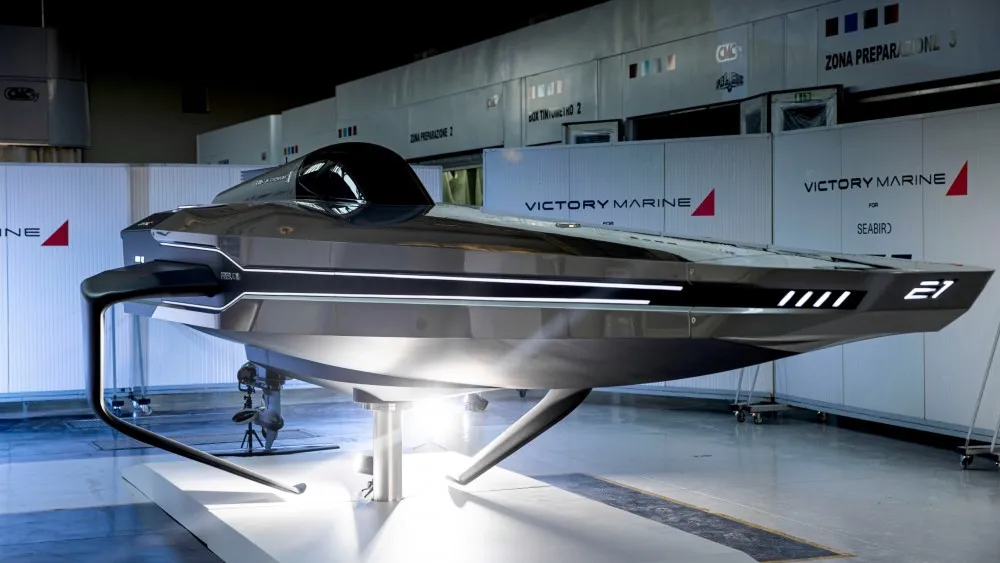

The marine industry is experiencing a technological renaissance, driven by an alliance between traditional maritime and AI innovation.
As the global maritime AI market surges toward a projected $32.7 billion by 2030, major corporations are recognising the immense potential within the marine sector and investing heavily in intelligent systems that promise to revamp how we experience life on the water.
Siemens Digital Industries Software is leading the charge in transforming yacht design through their groundbreaking partnership with Compute Maritime. By integrating generative AI with advanced simulation technology, Siemens is enabling yacht designers to accelerate vessel development, optimise performance, and create innovative, fuel-efficient concepts that were previously impossible to conceive.
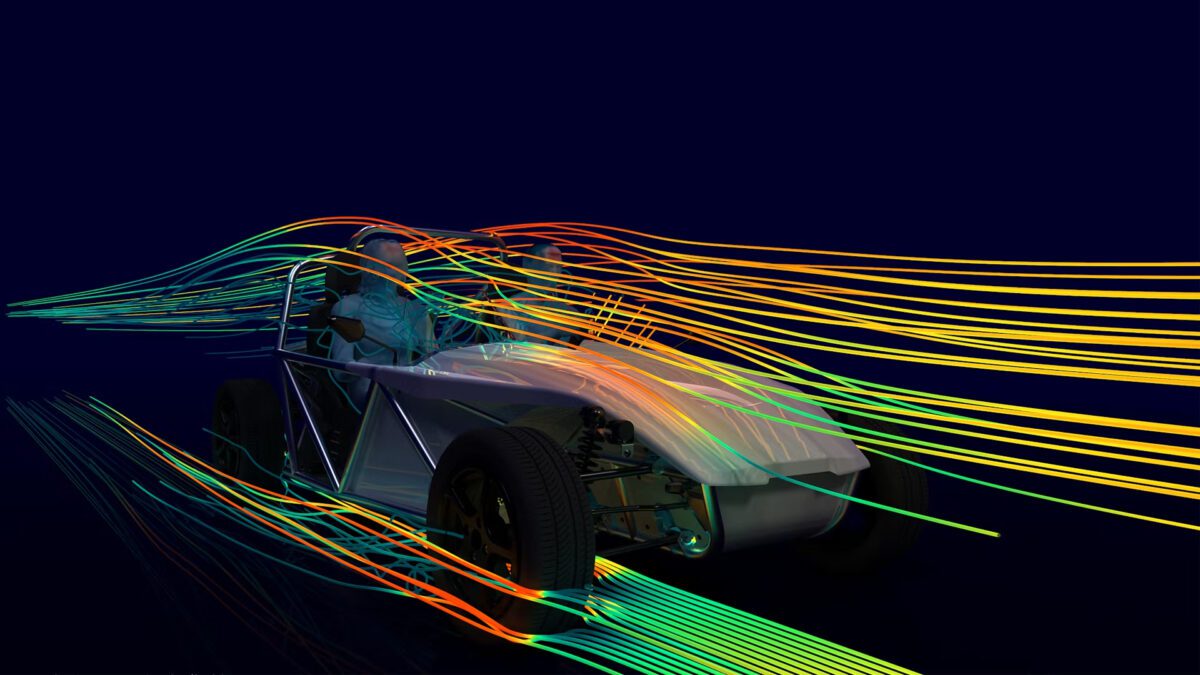
Their Simcenter STAR-CCM+ CFD software, now enhanced with AI capabilities, is setting new standards for how superyachts are conceptualised and built.
The British marine electronics leader is innovating yacht navigation through AI-powered systems that integrate seamlessly with modern multifunction displays. Raymarine’s latest innovations include intelligent collision avoidance, automated chart updating, and AI-driven weather routing that analyses multiple data sources to provide optimal navigation recommendations.
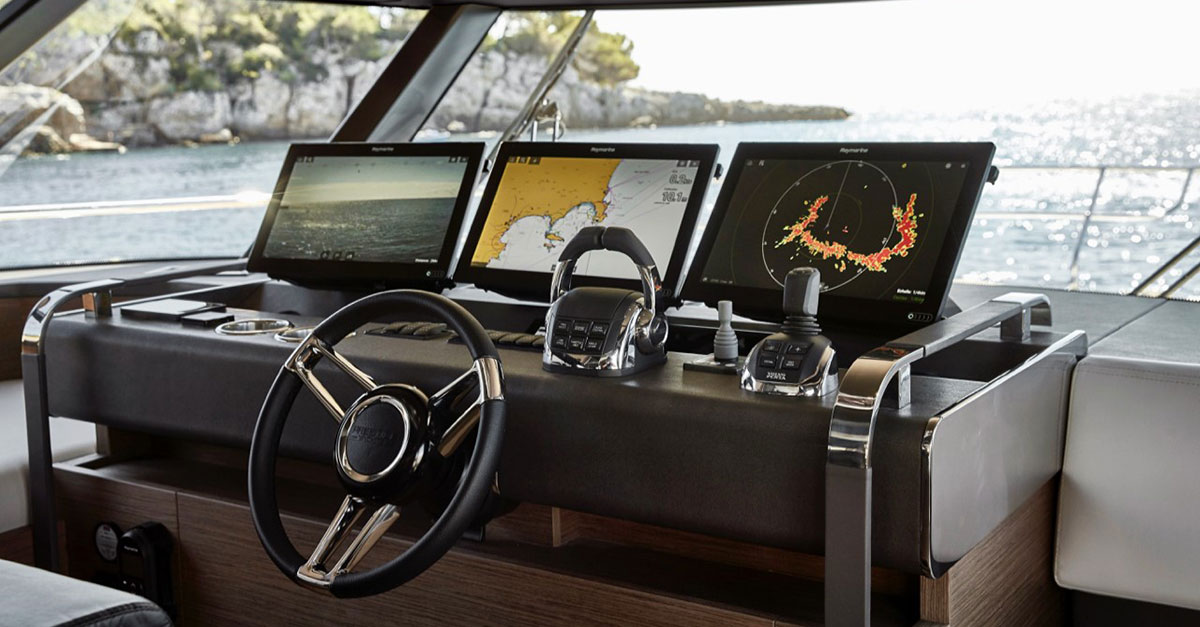
Their Lighthouse 3 platform now incorporates machine learning algorithms that adapt to captain preferences and vessel characteristics, creating truly personalized navigation experiences.
The legendary British engineering company is spearheading autonomous vessel technology through their Ship Intelligence platform. Rolls-Royce Marine’s AI systems enable predictive maintenance, intelligent fuel optimisation, and advanced situational awareness that transforms how yachts operate.
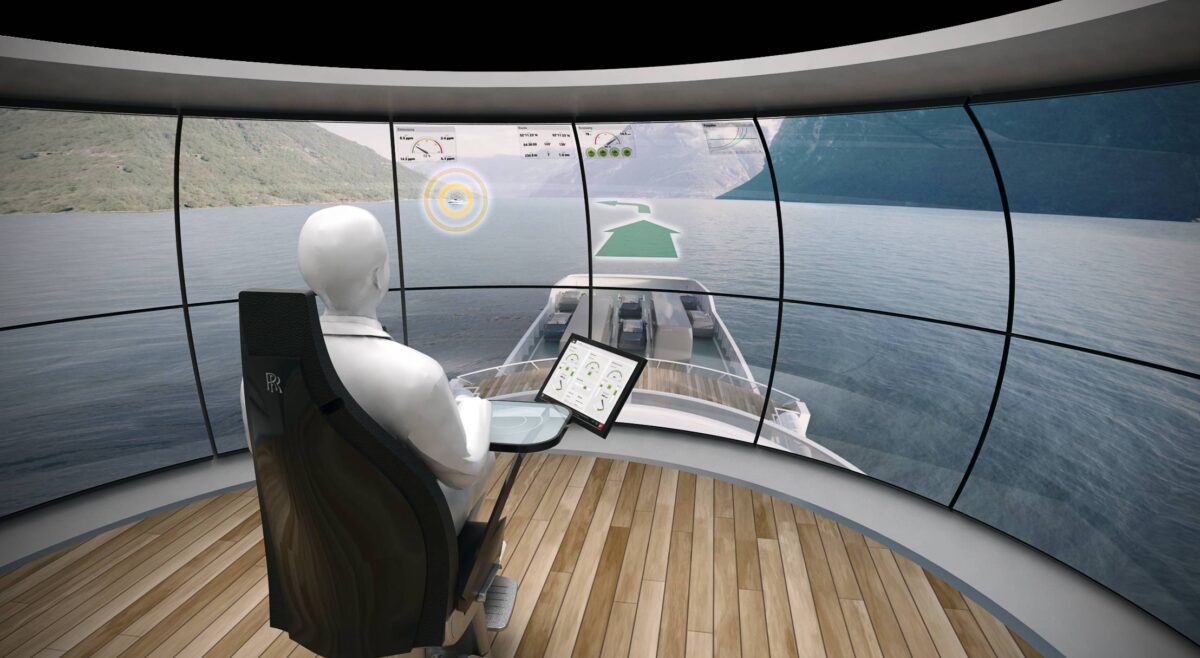
Their technology analyses thousands of data points in real-time, providing yacht captains with unprecedented insights into vessel performance and environmental conditions.
The Swedish marine propulsion giant is modernising yacht performance with their hybrid-electric IPS systems that incorporate intelligent automation. Volvo Penta’s latest innovations include AI-powered propulsion management that automatically optimises fuel consumption, reduces emissions by up to 40%, and provides seamless transitions between electric, hybrid, and diesel modes.
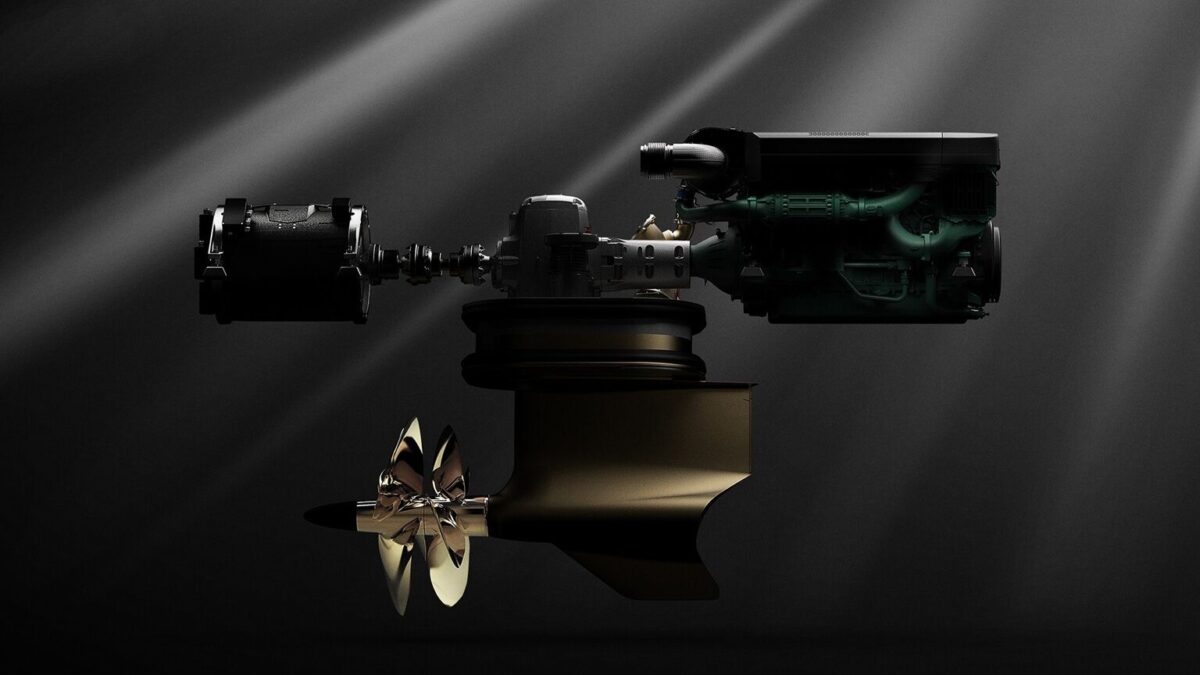
Their systems represent the future of sustainable yachting, where artificial intelligence ensures both luxury and environmental responsibility.
As a leader in marine navigation technology, Garmin is integrating AI capabilities across their chartplotter and navigation systems. Their latest developments include intelligent route planning that analyses weather patterns, traffic data, and vessel performance to suggest optimal voyages.
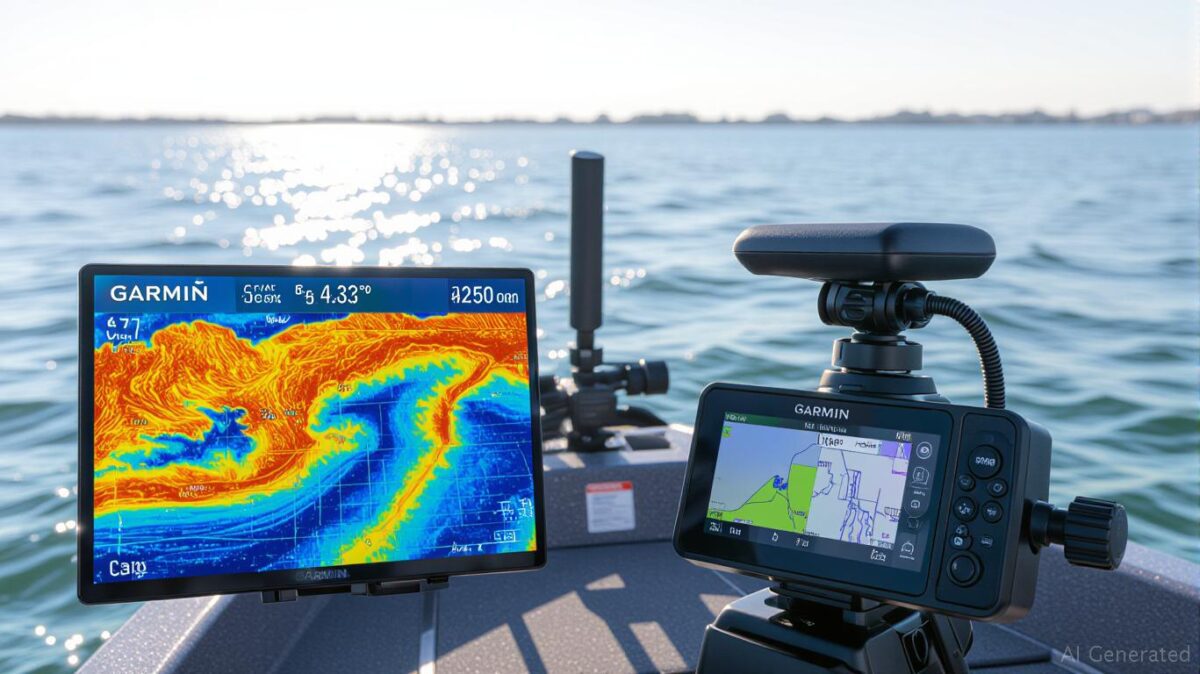
Garmin’s AI-enhanced systems are becoming the nervous system of modern yachts, providing captains with predictive insights that enhance both safety and efficiency.
Read more: 6 of the best marine innovation hubs for startups
The Japanese marine engine manufacturer is integrating AI into their propulsion systems to deliver unprecedented efficiency and reliability. Yanmar’s intelligent engine management systems use machine learning to predict maintenance needs, optimize fuel consumption, and automatically adjust performance parameters based on sea conditions.
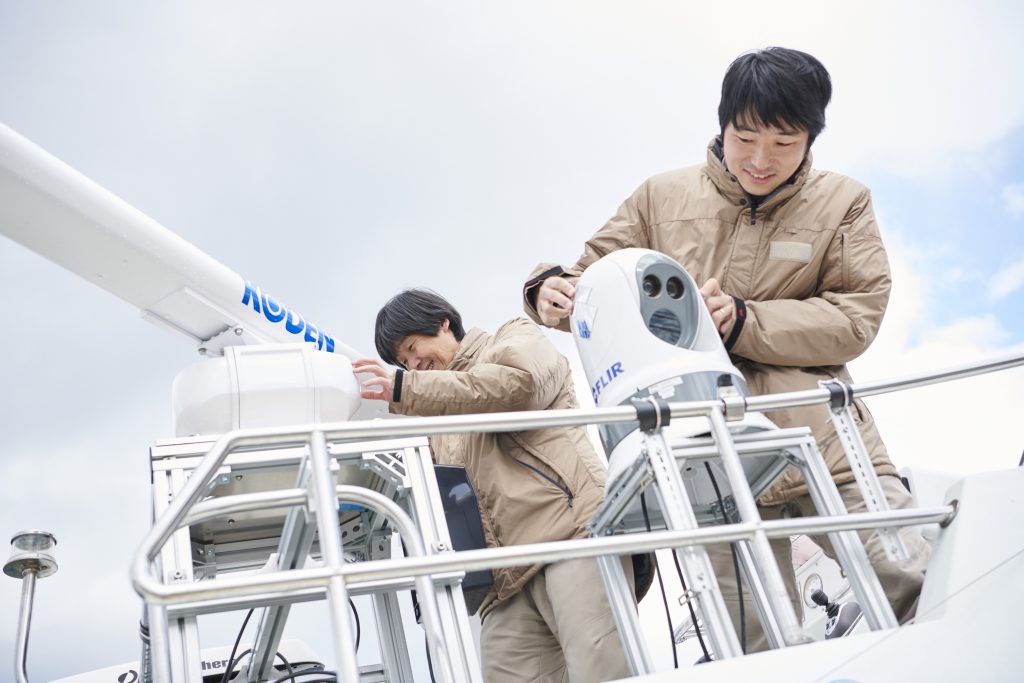
Their smart technology transforms traditional marine engines into learning systems that continuously improve performance.
The American stabilisation specialist is reshaping yacht comfort through their AI-enhanced gyroscopic systems. Seakeeper’s latest technology uses artificial intelligence to predict vessel motion and automatically adjust stabilisation parameters in real-time.
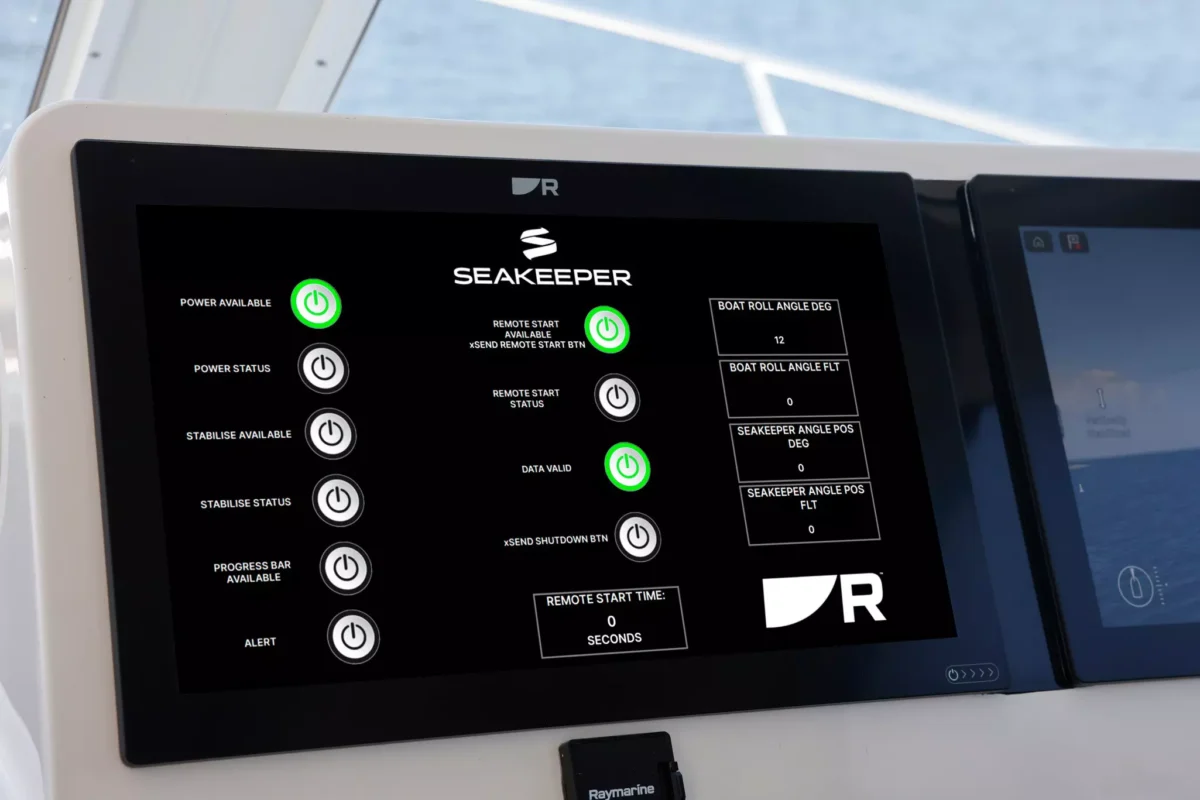
Their Ride System employs machine learning algorithms to make up to 100 adjustments per second, delivering an unprecedented level of comfort and safety for yacht passengers
America’s marine company is transforming the industry through their comprehensive ACES Innovation Strategy – Autonomy/Assistance, Connectivity, Electrification, and Shared Access. Brunswick’s approach integrates machine learning and perception systems to automate vessel operations, while their BI DesignLab explores artificial intelligence and augmented reality to make boating simpler, safer, and smarter.
Their innovation ecosystem spans from autonomous docking assistance to advanced wireless connectivity solutions, positioning Brunswick as the industry’s premier innovation incubator for next-generation marine technology.
The heavy machinery corporation has applied its engineering expertise to marine AI applications, transforming yacht engine operations and maintenance. Caterpillar Marine’s engine monitoring systems use AI algorithms to predict maintenance needs, optimize fuel consumption, and adjust performance parameters based on operational data.
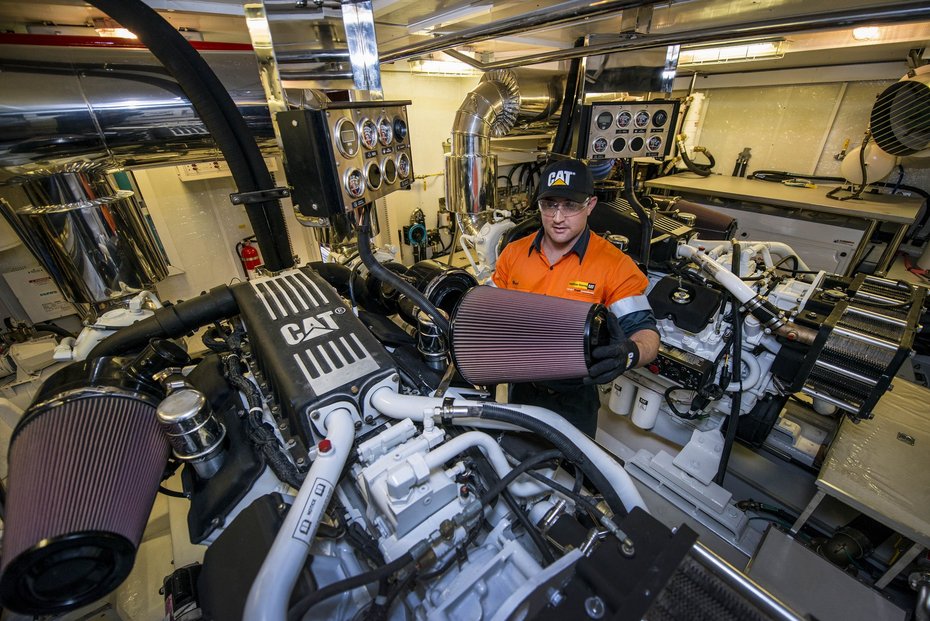
Their connected vessel technology integrates marine engines with ship systems, enabling remote engine health monitoring and predictive maintenance alerts. As a global leader in marine propulsion, Caterpillar’s AI-driven solutions ensure engines manage their own performance for improved efficiency and reliability.
These corporate investments signal a fundamental shift in boating and yachting, where artificial intelligence is no longer a novelty but a necessity. From design to operation, AI innovation is enabling yacht manufacturers and technology providers to achieve new levels of performance, sustainability, and luxury that seemed impossible just years ago.
As we move toward 2030, the collaboration between these technology titans and the yachting industry promises to deliver experiences that are not just more luxurious, but smarter, safer, and more sustainable than ever before.