Updates tailored to you.


These 7 boat manufacturers are leading the way in building vessels that integrate smart tech, reducing both environmental impact and the experience of users.
The marine industry is experiencing significant technological advancement as manufacturers integrate sustainable propulsion systems and energy solutions. Climate regulations and market demand for environmental responsibility drive development of hydrogen fuel cells, solar integration, and hybrid electric systems across vessel categories.
Nautor Swan developed the Swan 88 as their first model with hybrid electric propulsion integrated from initial design stages. The partnership with Torqeedo creates a dual-power system that meets load line regulations for MCA charter compliance while reducing operational costs through efficient energy management.
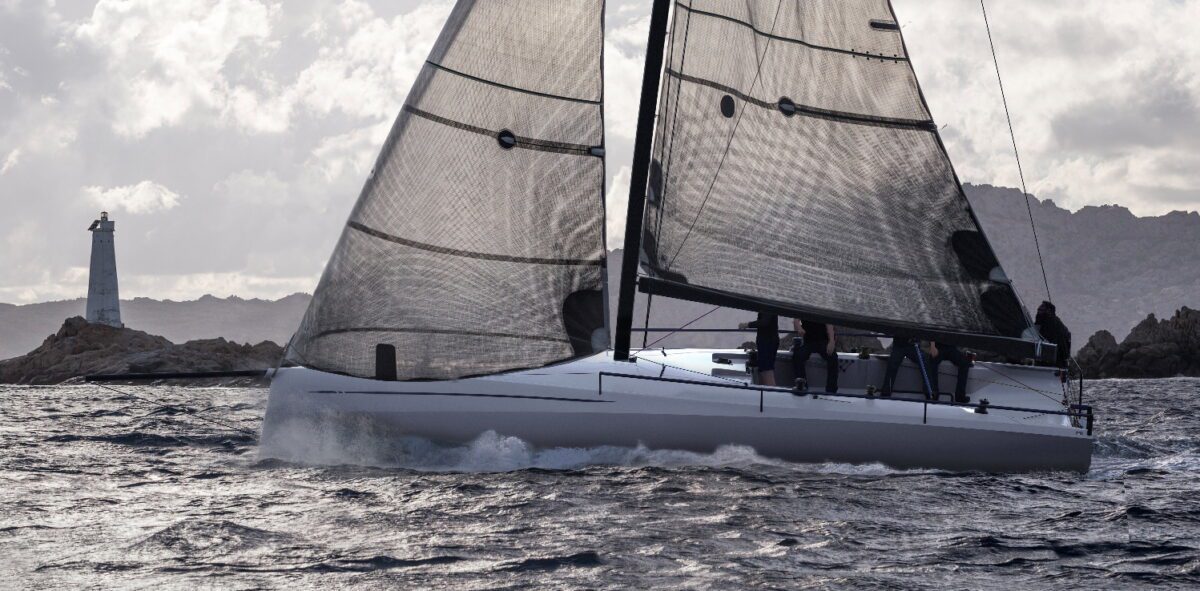
The hybrid configuration enables silent, emission-free anchoring and low-speed maneuvering in protected marine areas. The vessel maintains traditional Swan performance characteristics while incorporating electric motor assistance for improved fuel efficiency.
Sanlorenzo delivered the 50Steel superyacht “Almax,” featuring fuel cell technology that converts biomethanol into electricity for hotel loads and auxiliary systems. The system provides emission-free power for extended periods of typical yacht operation while maintaining traditional diesel propulsion for primary navigation.
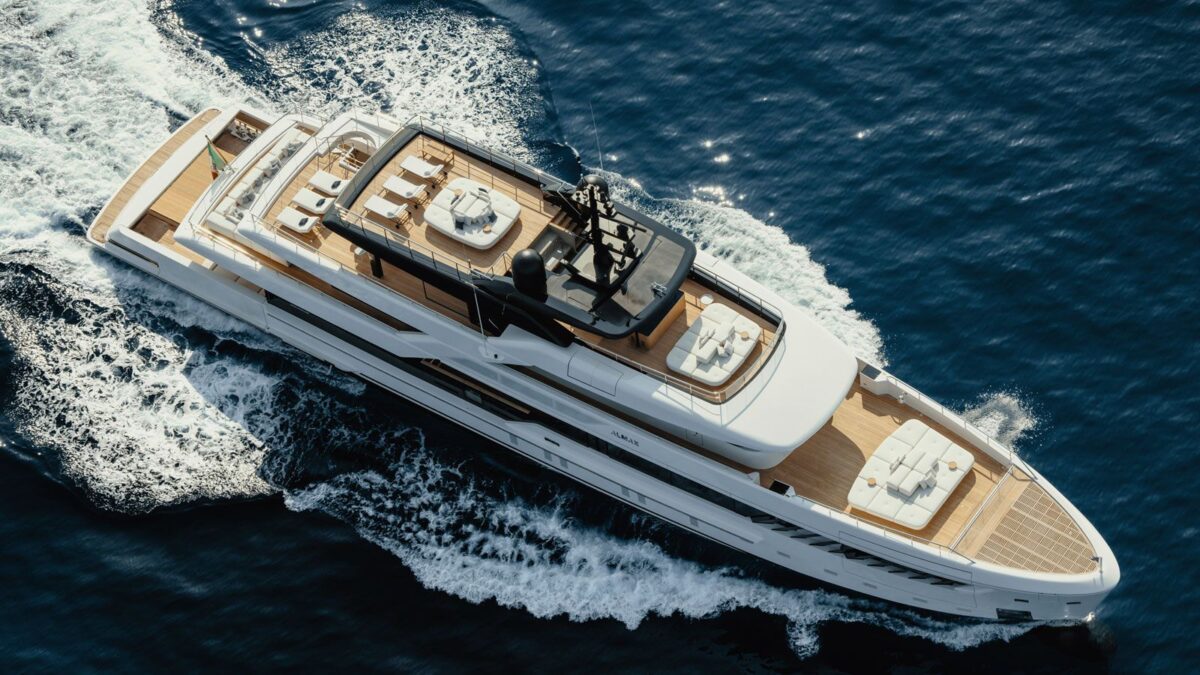
The company’s patented Hidden Engine Room design relocates mechanical systems to create additional guest space and beach club areas. The LIFE MYSTIC project expands this technology through bi-fuel methanol-diesel engines designed for transitional market adoption.
Sunreef Yachts developed patent-pending technology integrating photovoltaic cells directly into structural yacht components. Their in-house manufactured solar panels achieve high efficiency ratings while maintaining reduced weight compared to traditional marine solar installations. Ultra-thin panel design allows installation on hull sides, masts, superstructures, and deck areas previously unsuitable for solar collection.
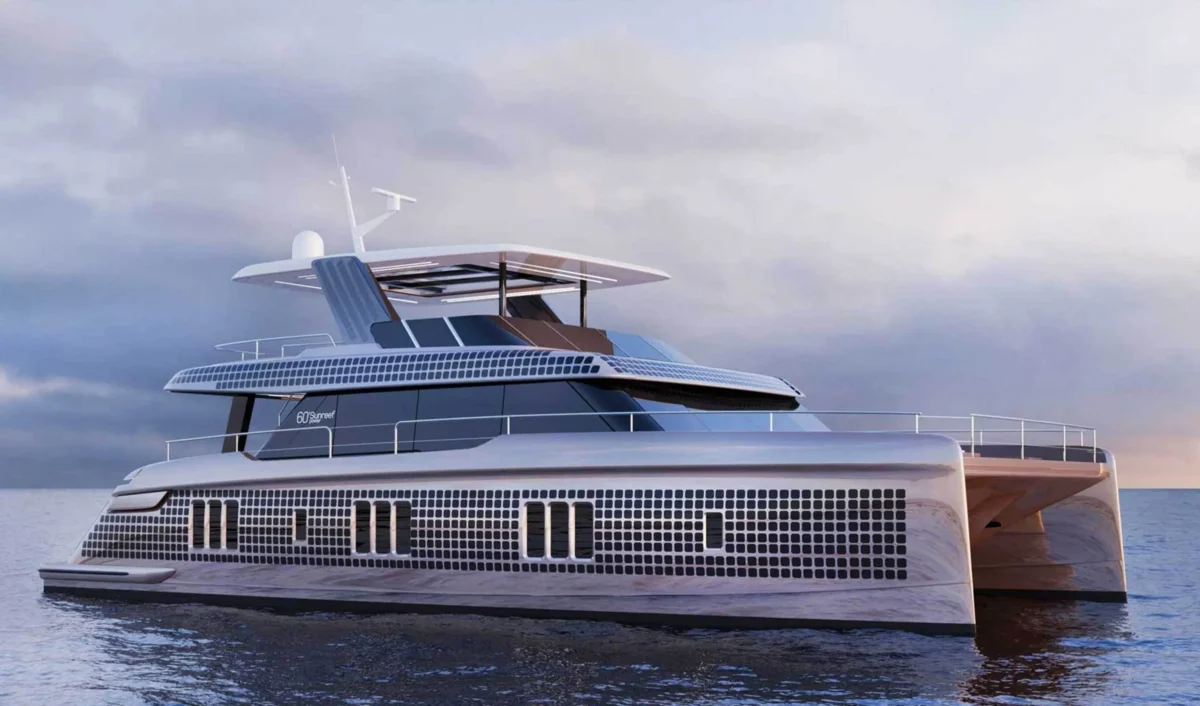
The integration technique provides shock and abrasion resistance enabling placement on high-stress surfaces complementing their advanced battery systems which store collected energy for extended operation periods.
Read more: The corporate giants transforming the marine industry through AI innovation
Fountaine Pajot operates ODSea Lab as a collaborative platform connecting owners, suppliers, and research teams for sustainable technology development. The initiative coordinates multiple parallel development streams including solar energy integration, hybrid propulsion systems, hydrogen fuel research, and sustainable material applications.
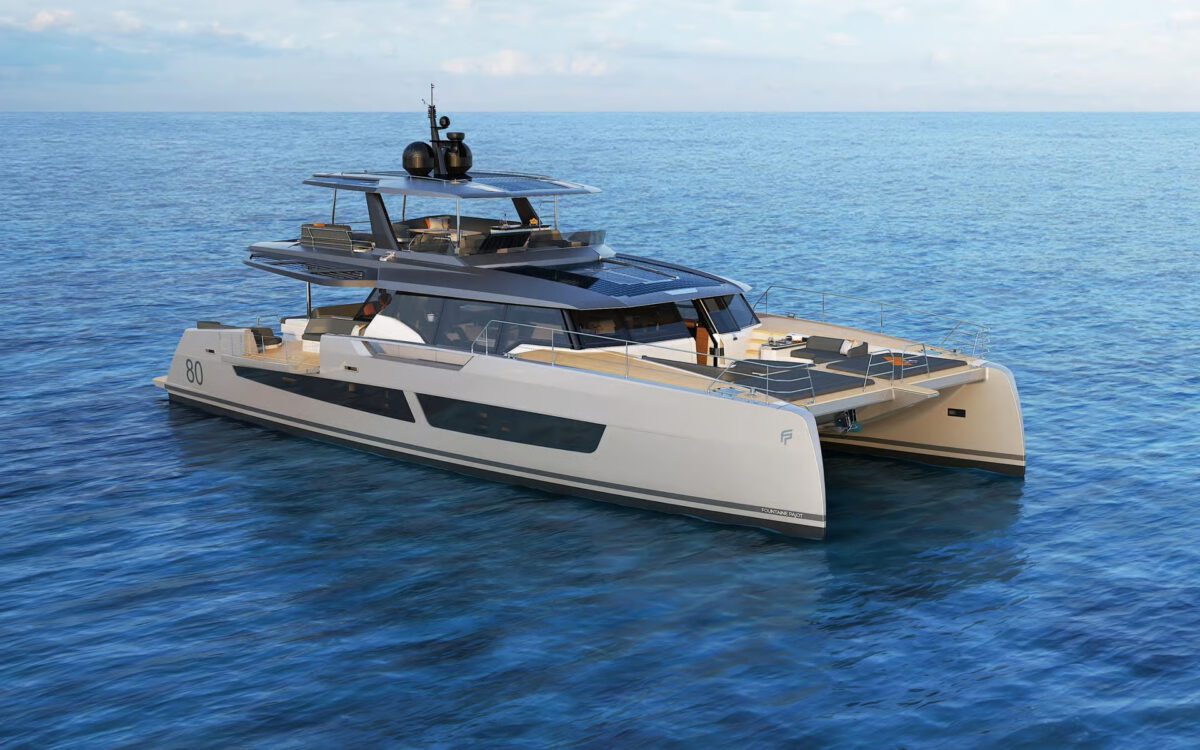
The platform addresses yacht lifecycle optimisation by targeting both operational efficiency and production methods. Development partnerships include energy transition specialists and material science researchers working toward carbon neutrality objectives.
Silent Yachts produces vessels with integrated solar-electric drivetrains that provide extended range through advanced energy management systems, building on decades of research conducted by the company’s founders into integrated systems that eliminate traditional fuel requirements and mechanical maintenance associated with combustion engines.
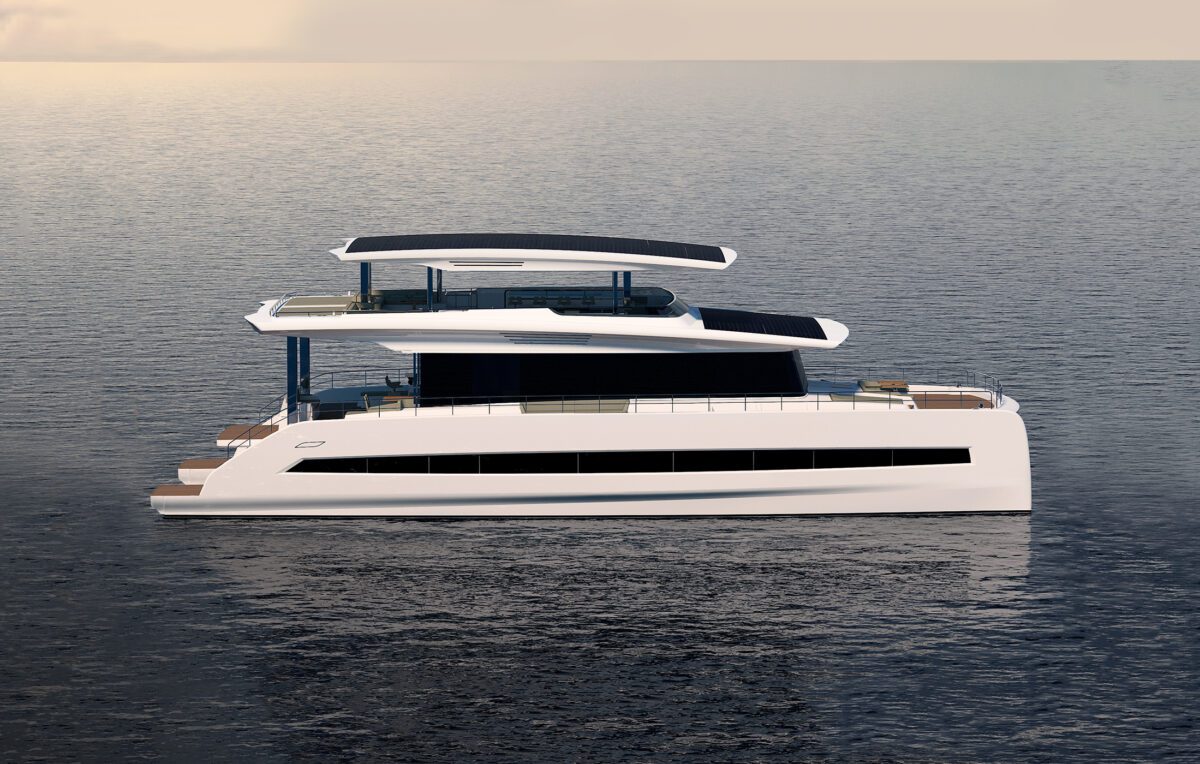
Vessel designs maximize solar collection area through catamaran configurations and optimized panel placement, while advanced battery systems provide energy storage for multi-day operation without solar input. The technology eliminates engine noise, vibrations, and exhaust emissions while maintaining yacht performance characteristics.
Feadship launched Project 821 as a large-scale implementation of hydrogen fuel cell technology with cryogenic storage systems integrated into superyacht design, where the hydrogen system provides silent operation for extended periods and emission-free propulsion for harbor navigation and protected area cruising.
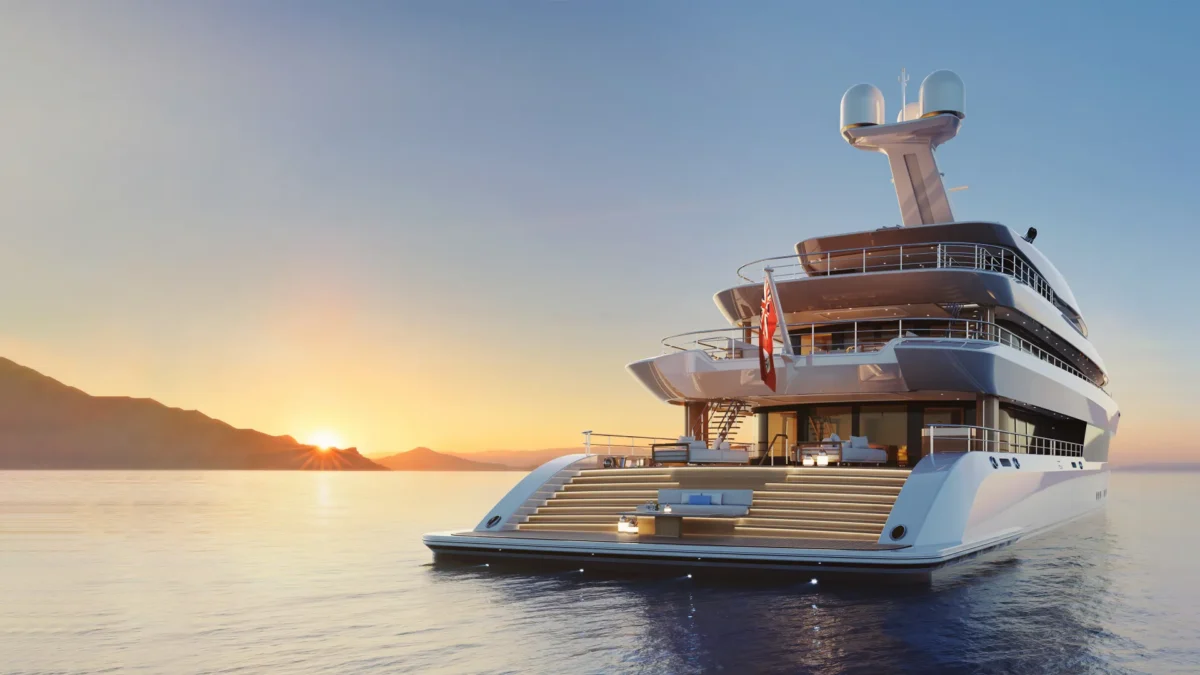
The project required detailed development of safety protocols and regulatory frameworks for hydrogen storage and distribution systems in marine applications, while collaboration with Lloyd’s Register and industry partners established new classification standards applicable to future hydrogen vessel development.
Heesen’s BlueNautech initiative addresses sustainability through systematic improvements across design, construction, and operational phases. The Fast Displacement Hull Form technology reduces fuel consumption through optimized hydrodynamics and lightweight aluminum construction methods.
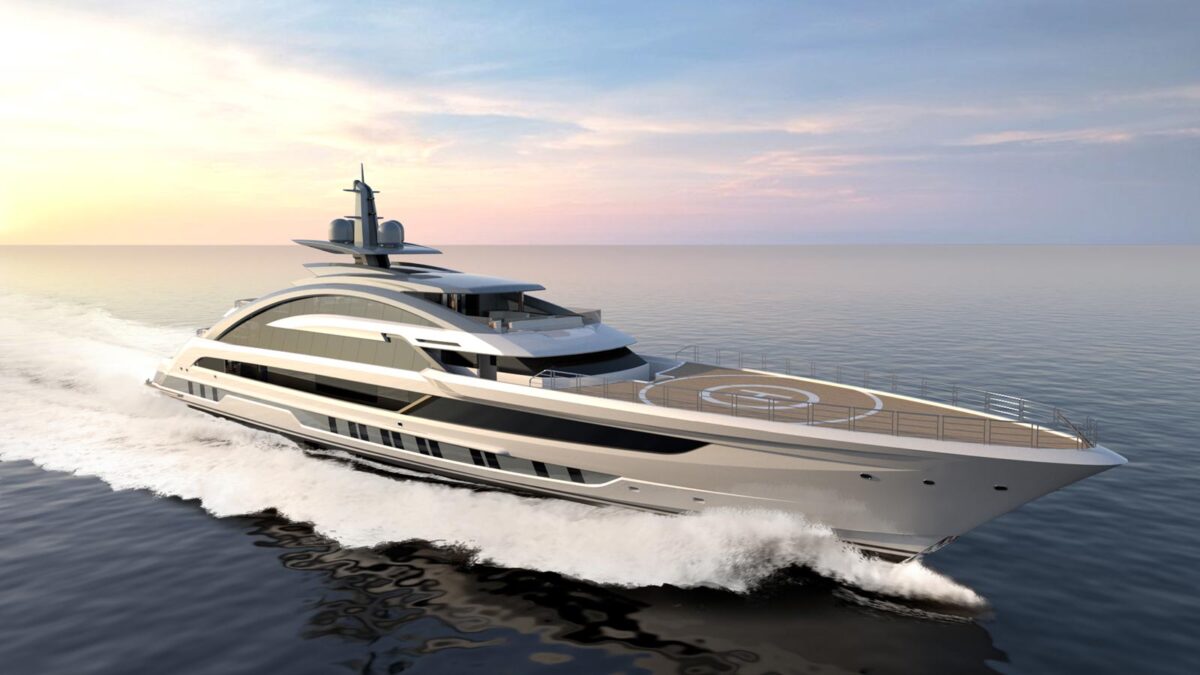
Energy efficiency improvements target hotel loads during anchoring periods through advanced generator systems and waste heat recovery integration. The framework encompasses hybrid propulsion development, alternative fuel research, and sustainable material sourcing including recycled components and certified wood products.