Updates tailored to you.

Fundraising advice often sounds universal — build a big vision, show traction, tell a compelling story. But in marine technology, investors evaluate startups through a very different lens.
Long sales cycles, capital intensity, and conservative industry adoption mean investors look less for hype and more for evidence of real-world value.
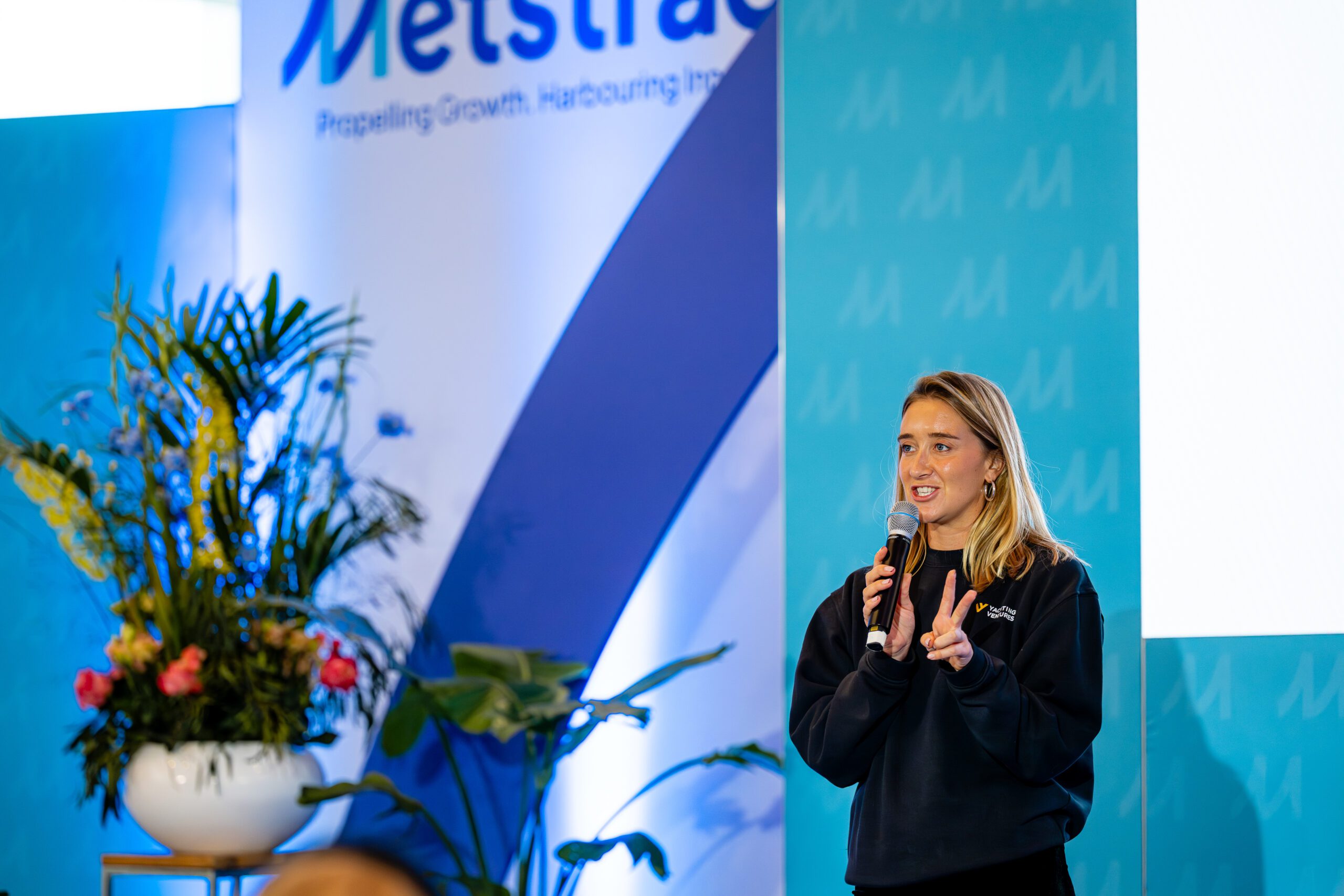
In a recent Yachting Ventures investor session, we brought together active marine investors to discuss what actually gets deals done, and what immediately raises red flags.
The conversation revealed a sector that is rapidly professionalising, with expectations now much closer to mainstream venture markets.
Stop selling buzzwords, start selling value
One of the strongest themes from investors was fatigue around trend-driven pitching.
Terms like AI appear in almost every marine pitch today. But when technology becomes the headline instead of the solution, investors quickly disengage.
The expectation has shifted. Technology should be positioned as an enabling tool, not the business model itself.
Investors want founders to answer a simple question first: what real problem are you solving, and for whom?
Traction matters
Marine startups face a structural challenge: enterprise customers move slowly. Contracts can take months or years, making early revenue difficult. Investors understand this, but they still expect proof of demand.
Increasingly, founders demonstrate early product-market fit through alternative signals:
A growing number of investors view community traction as meaningful validation.
Building a large, active audience (even before scale revenue) signals that a problem resonates with the market. In short, traction is no longer defined purely by revenue, but by credible validation.
Market size: ambition must match reality
Another recurring red flag is unrealistic market sizing. Marine markets are often specialised, and investors are wary of founders pitching unicorn-scale outcomes without acknowledging sector constraints.
A realistic example discussed: capturing 10% of an $800M market results in an $80M business – which, in marine, can already represent an exceptional outcome.
Investors are not allergic to ambition, but they expect founders to demonstrate an understanding of industry economics and adoption timelines.
Not every startup should raise Venture Capital
One of the most important, and often overlooked, insights was around investor alignment.
Venture capital operates under specific constraints. Funds typically require scalable businesses capable of delivering large exits within a six to ten year horizon. If a founder’s ambition is to build a steady, profitable company over decades, VC funding may create misalignment rather than acceleration.
In those cases, angel investors or family offices often provide a better fit, offering longer timelines and less pressure for rapid exit.
The question founders should ask early is not “Can we raise VC?” but “Should we?”
Hardware vs Software
Investor perspectives varied on hardware, reflecting a broader shift in marine investing.
Some venture studios prioritise software-led models that scale quickly without heavy capital requirements. Others recognise that marine is inherently physical and see opportunity in companies combining hardware with high-margin software layers.
The emerging consensus is hybrid: hardware can be defensible, but long-term value often sits in data, software, or recurring service revenue built around it.
Founder traits investors actually care about
Contrary to popular belief, deep industry expertise is not always the deciding factor.
Investors repeatedly emphasised qualities such as:
An inability to adjust messaging during discussion was seen as a warning sign. Fundraising is a dialogue, not a presentation.
Interestingly, solo founders were not considered a red flag. While co-founding teams can reduce risk, the key factor is whether founders can attract strong long-term partners – operationally and at board level.
Exit expectations
Perhaps the most important takeaway was the importance of founder–investor alignment.
Investors do not necessarily need to know the exact acquirer early on. What they do need is confidence that founders understand the likely timeline and exit dynamics of the industry.
Marine adoption cycles are long. A two-year exit expectation is rarely realistic. Founders who acknowledge this — and build accordingly — inspire far greater confidence.
What Founders Should Do Next
For founders preparing to raise in today’s marine market:
Want access to conversations like this?
These sessions come from inside the Yachting Ventures community – where founders gain access to a global network of peers, curated investor introductions, practical growth support, media visibility, and masterclasses and fireside chats designed to share real, experience-driven insights you won’t find elsewhere.
👉 Apply to join the community here to access our full programme of events and opportunities.